
Nigeria Fellowship
Turning talent into a high-impact animal advocacy ecosystem
A selective programme for individuals who want to build high-impact careers and ventures improving farmed animal welfare in Nigeria .
This programme is currently closed. If you are interested in our future opportunities, please sign up for our newsletter.
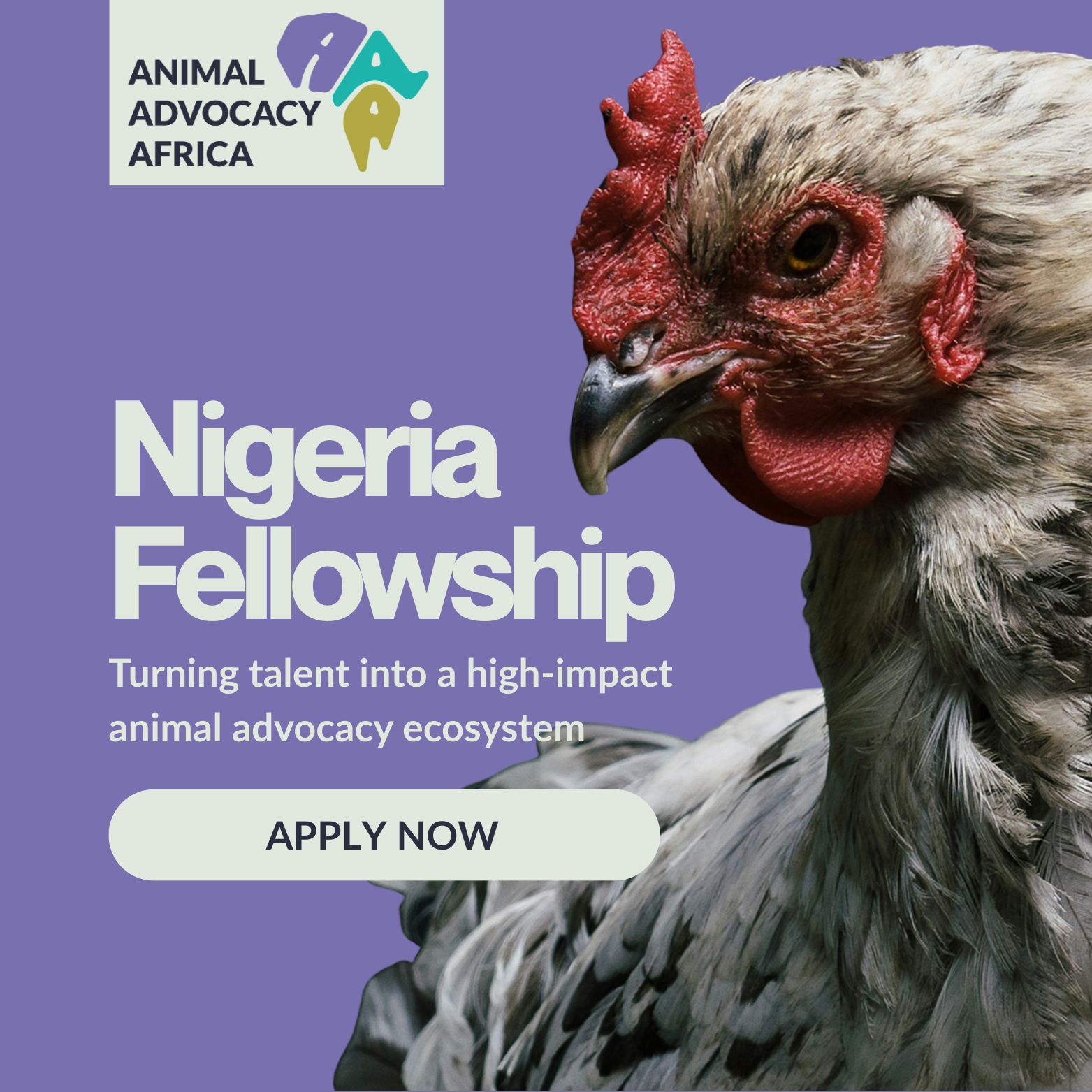
Nigeria is at a pivotal moment in the development of its livestock and poultry sectors. The standards shaped in the coming years will influence millions of animals for decades. Without early intervention, low-welfare systems risk becoming entrenched as production intensifies.
To respond to this critical window, we are launching the Nigeria Fellowship - a selective programme designed to support individuals who want to build serious careers, ventures, and policy pathways for farmed animal welfare in Nigeria.
Intervening early is significantly more tractable than reforming established industrial systems later. The Fellowship is designed to strengthen the local capacity needed to act strategically and effectively.
The Fellowship has two tracks:
Careers track for individuals who want to pursue high-impact roles within existing organisations, policy institutions, or industry-facing positions.
Incubation track for those interested in developing new interventions, with potential for founding a high impact non-profit organisation and seed funding.
Both tracks share a common strategic foundation and Nigeria-specific context, but diverge in their practical focus - either advancing into critical roles within the ecosystem or building new initiatives to strengthen it.
The Programme
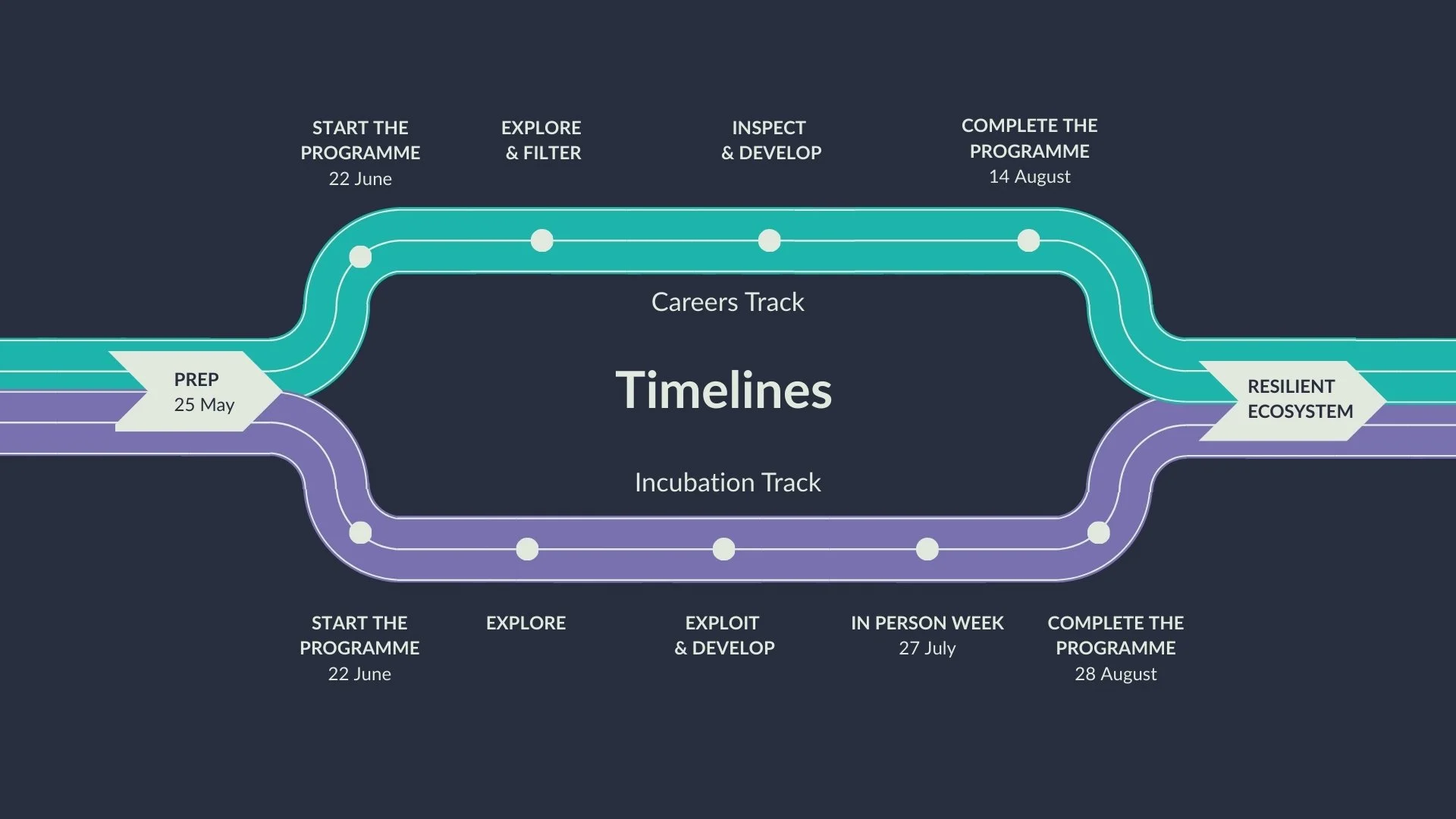
The Nigeria Fellowship moves from shared foundations to concrete action.
All participants begin with structured readings and discussions focused on Nigeria’s farmed animal landscape and high-impact strategy. This stage builds shared context, tests engagement, and prepares participants for more intensive project-based work.
Participants then enter either the Careers or Incubation track, where they complete structured work with mentorship and feedback. This phase helps fellows refine priorities, test fit, and narrow their focus.
Advancement is selective and based on engagement, reasoning quality, and follow-through.
In the final stage, fellows focus on execution:
Select incubation participants join us for an in-person week of training in Nigeria. We will cover accommodation and partial catering. Participants will likely be expected to cover their own travel costs. The strongest co-founder teams then develop and refine project proposals to apply for seed funding.
Careers participants finalise ranked pathways and a concrete path-to-placement plan.
What to expect
A high-engagement programme with structured learning and practical outputs
Active participation in discussions, independent work, and regular feedback cycles
Advancement based on engagement, reasoning quality, and follow-through
Increasing depth and focus as the programme progresses
Time commitment:
Careers track: ~8–10 hours per week
Incubation track: ~10–12 hours per week, plus one intensive in-person week
This programme is designed for individuals who are serious about impact and ready to commit consistent, focused effort.
Stipend:
Participants receive a total stipend of $500-$1,000, depending on the track they’ll participate in. Stipends will be paid in two instalments. The first instalment is guaranteed, while the second is based on performance and engagement during the programme.
Who should join?
What matters most is motivation, thoughtful reasoning, and a willingness to engage seriously with complex problems.
You don’t need to tick every box, but if several of the following resonate, this Fellowship may be a strong fit:
You feel motivated to strengthen farmed animal welfare in Nigeria at a critical moment.
You are considering a career shift toward impact-driven work.
You work in a related field - such as agriculture, public policy, law, development, public health, or food systems - and want to apply your skills more directly to animal welfare.
You are interested in building a new initiative or exploring an entrepreneurial pathway.
You want greater clarity, structure, and strategic direction in your next professional steps.
You are based in Nigeria, able to either relocate to Nigeria, or able to work remotely on efforts that help animals in Nigeria (with occasional travel to Nigeria).
FAQ
-
You don't need prior experience in animal advocacy—just a strong interest in creating a large, positive change in improving the lives of farmed animals.
-
All participants will be added to our alumni community by default.
The most promising participants will receive further, in-depth support from us after the programme.
-
Our goal is to reduce the suffering of farmed animals as much as possible, and we are open to a variety of ways of doing that. We envision a world where animals are no longer exploited. However, we recognise that this is a long-term goal that requires a multifaceted approach. In the interim, we believe that taking steps to ensure farmed animals have better lives is crucial and impactful.
We believe that more conscious consumer practices, such as vegetarianism and veganism, can be effective ways for consumers to reduce the suffering that their consumption causes. While we believe that dietary change is part of the solution, we also believe that it is just one part of it: those of us who care about farmed animals must engage a variety of strategies, and work with both consumers and those who abstain from animal products, if we are to bring about a more compassionate world.
-
No, you do not have to be vegan to join. We welcome individuals from various dietary backgrounds who share our core values. While veganism isn't a requirement, we expect individuals to care about ending the suffering of farmed animals. You should be open to learning about and understanding the arguments for veganism, even if you haven't fully adopted the lifestyle. We encourage everyone to be open to discussions about animal rights, environmental impact, and ethical consumption.